
Field Case 003 · Completed odor project
Cigarette-smoke odor remediation with source cleaning, HVAC attention and hydroxyl treatment.
This completed Dallas–Fort Worth residential project involved persistent cigarette-smoke/nicotine odor. SDM used source cleaning and material preparation first, then controlled air movement, HVAC/register work, hydroxyl treatment and field air-quality screening. The customer reported being satisfied with the final odor result and the project was completed and paid.
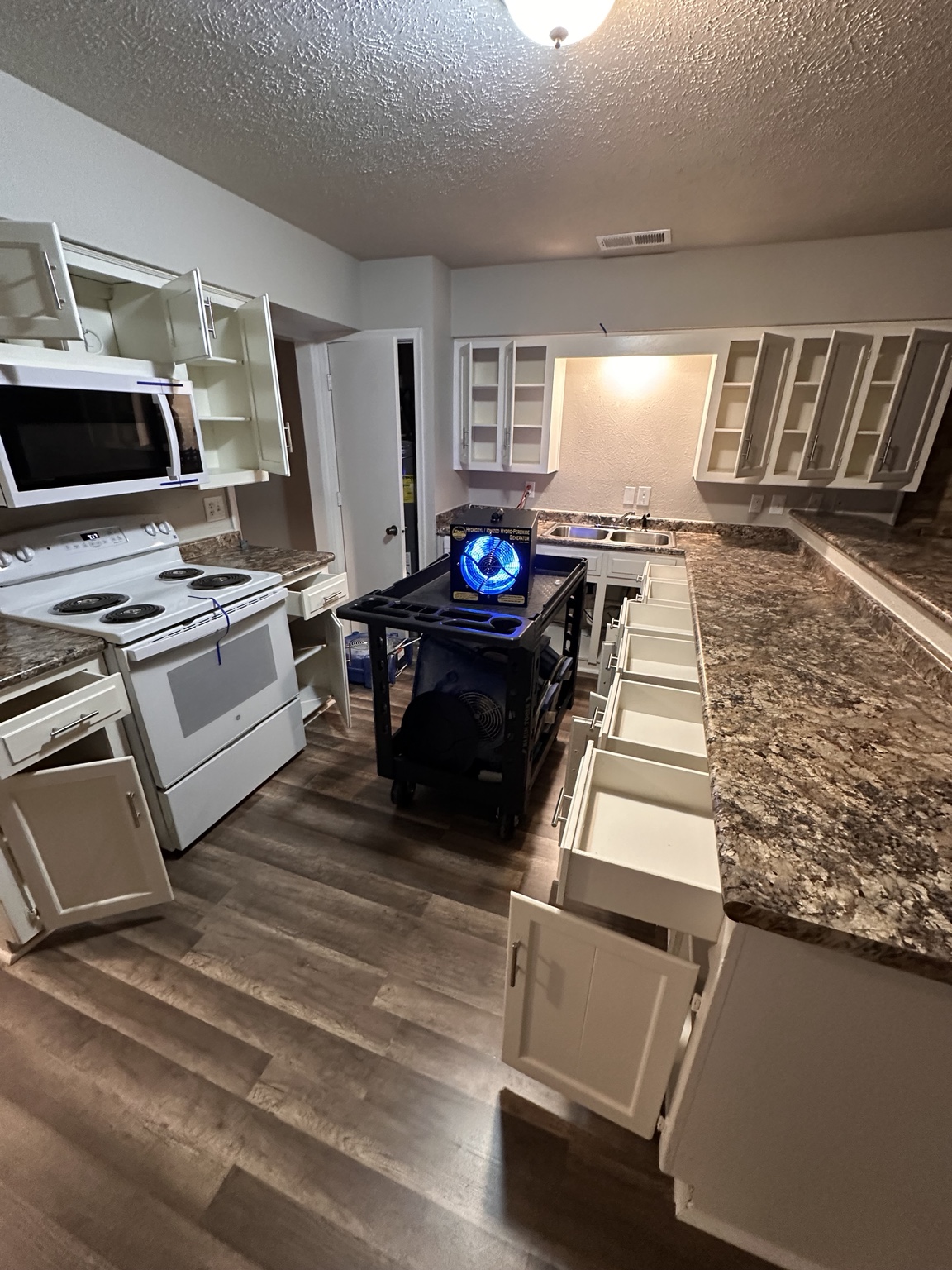
Evidence lanes
Observed work, measured screening and odor outcome were kept separate.
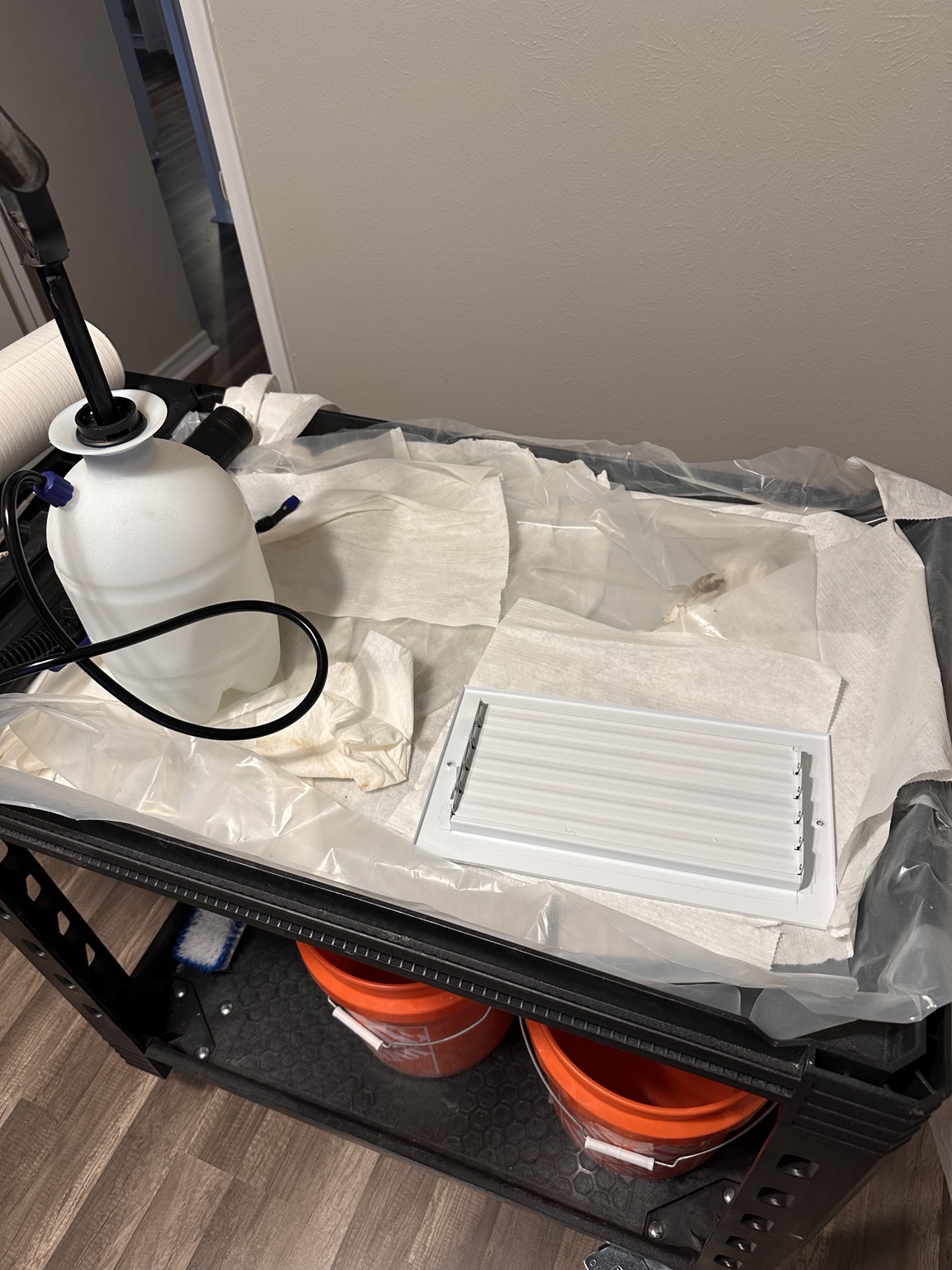
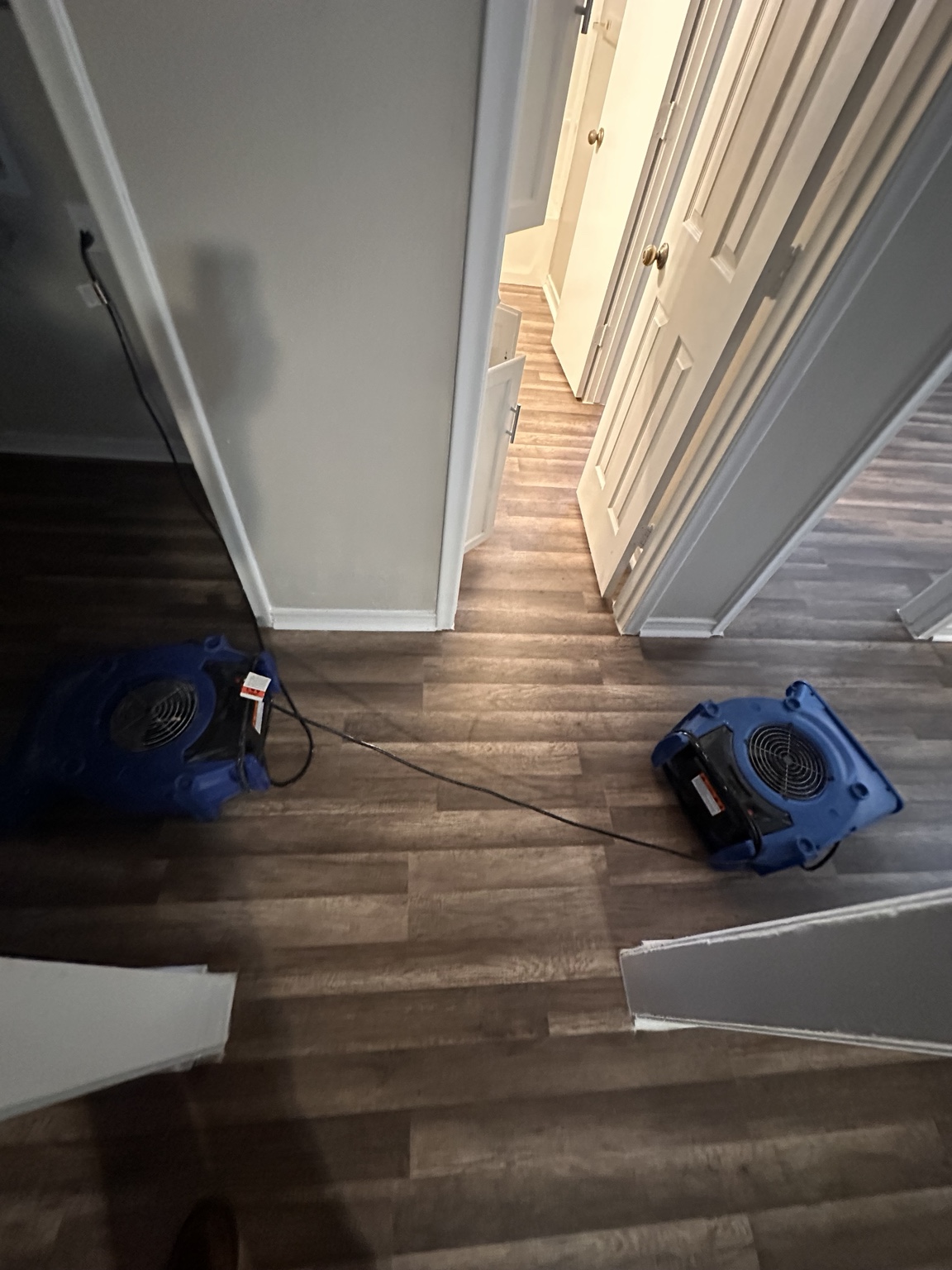
Observed work: cleaning, painting/material preparation, register/HVAC attention, air movement and hydroxyl operation.
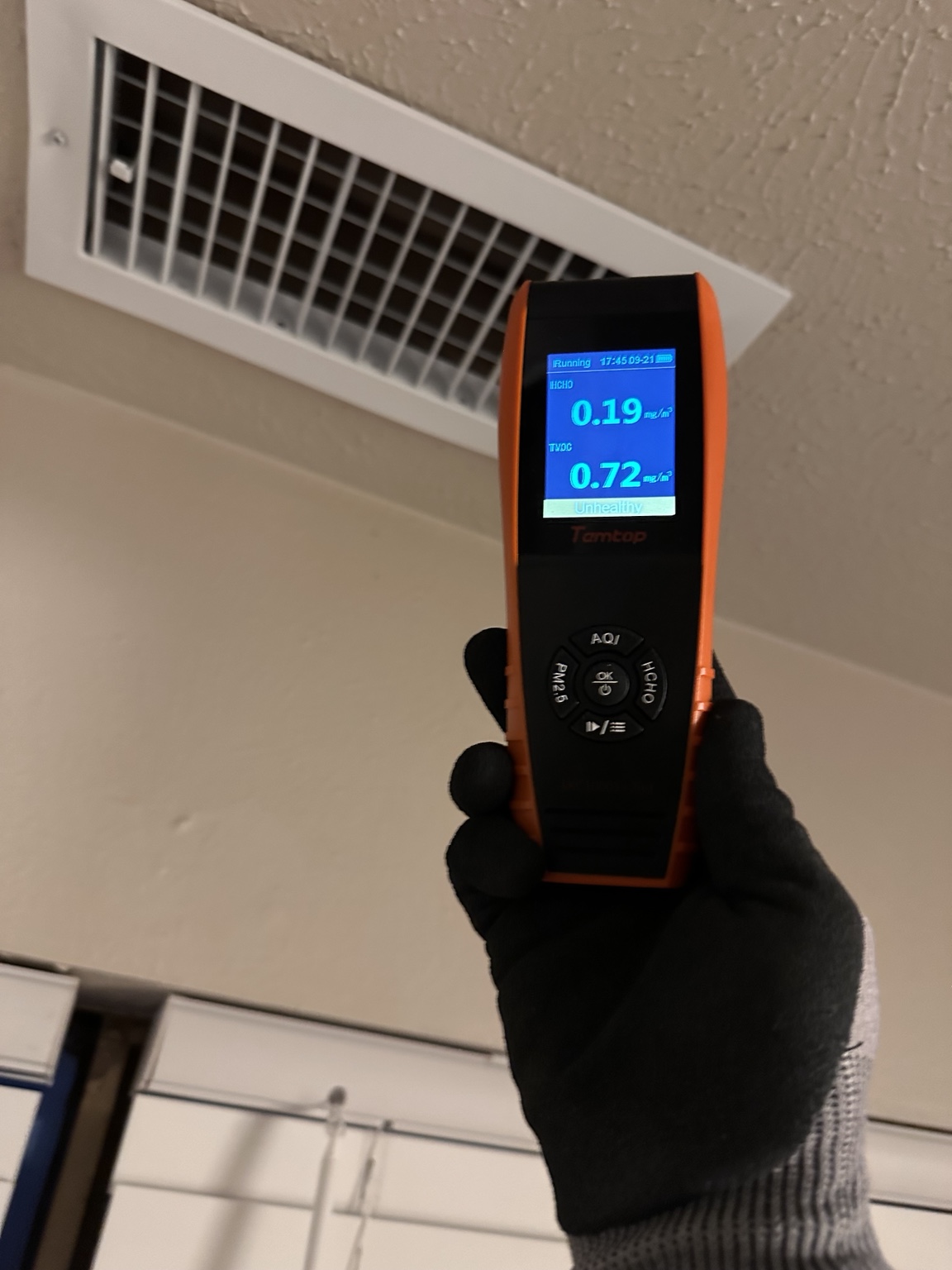
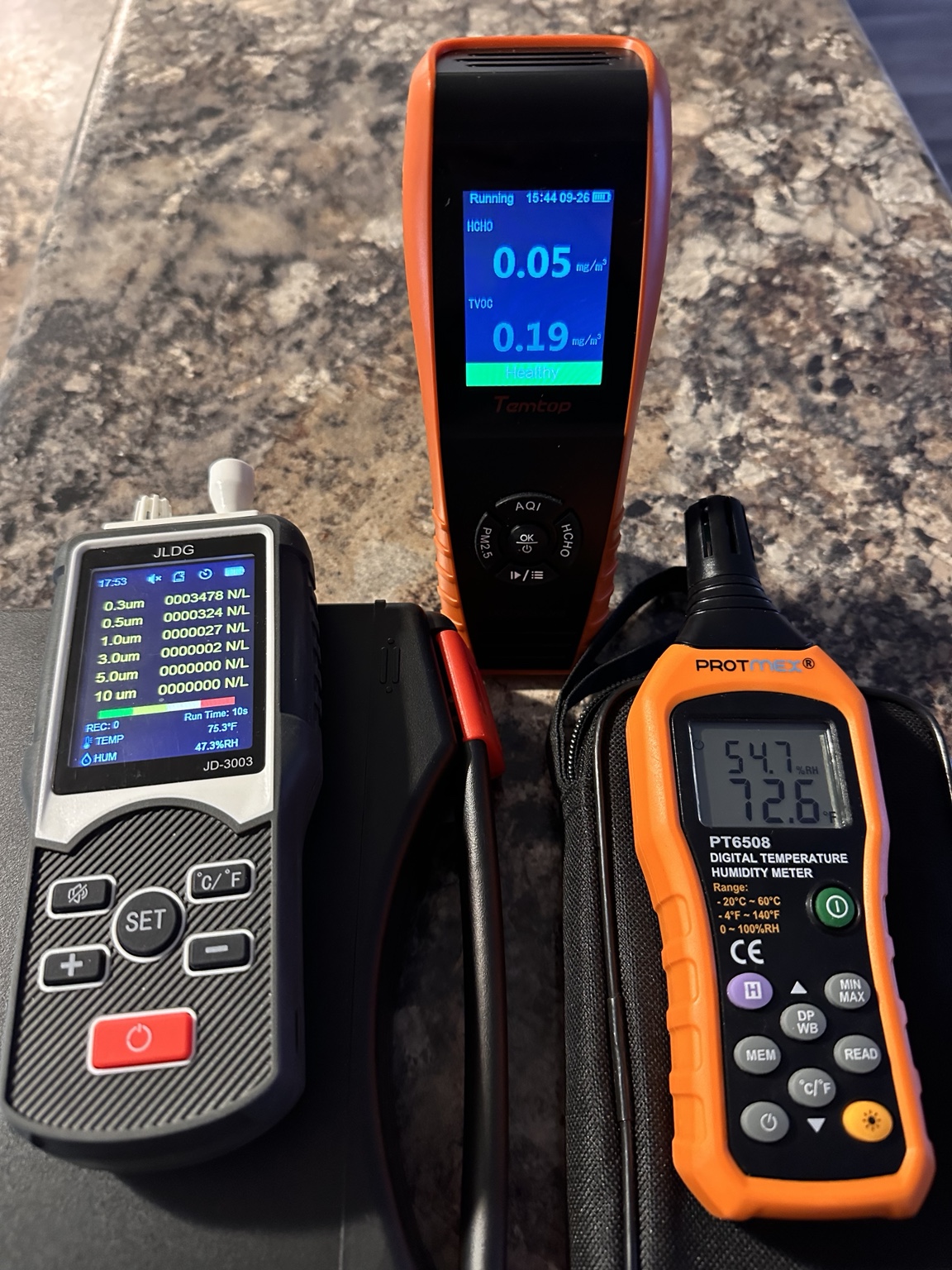
Measured screening: handheld instruments documented patterns in particle counts, TVOC/HCHO screening, temperature and relative humidity.
Odor outcome: the instruments did not measure smell. Final odor acceptance was based on human assessment and the customer's reported satisfaction.
1. Source reduction
Nicotine/smoke residue was addressed through cleaning before supplemental treatment. Areas were then prepared and painted where appropriate.
2. HVAC / register attention
Registers and accessible HVAC-related surfaces were evaluated and cleaned where the condition supported it.
3. Controlled treatment
Hydroxyl equipment and air movement were used as supplemental tools after source-focused work rather than as a substitute for cleaning.
Air-quality screening
The meters tracked air-quality patterns — not smell.
Handheld field-screening instruments documented changing air conditions during the project. They were used as trend data, not as laboratory analysis and not as a substitute for odor assessment.
Closeout
Successful project outcome.
The treatment sequence was completed, the customer reported being happy with the final odor result, and the project was paid in full.