Incident context
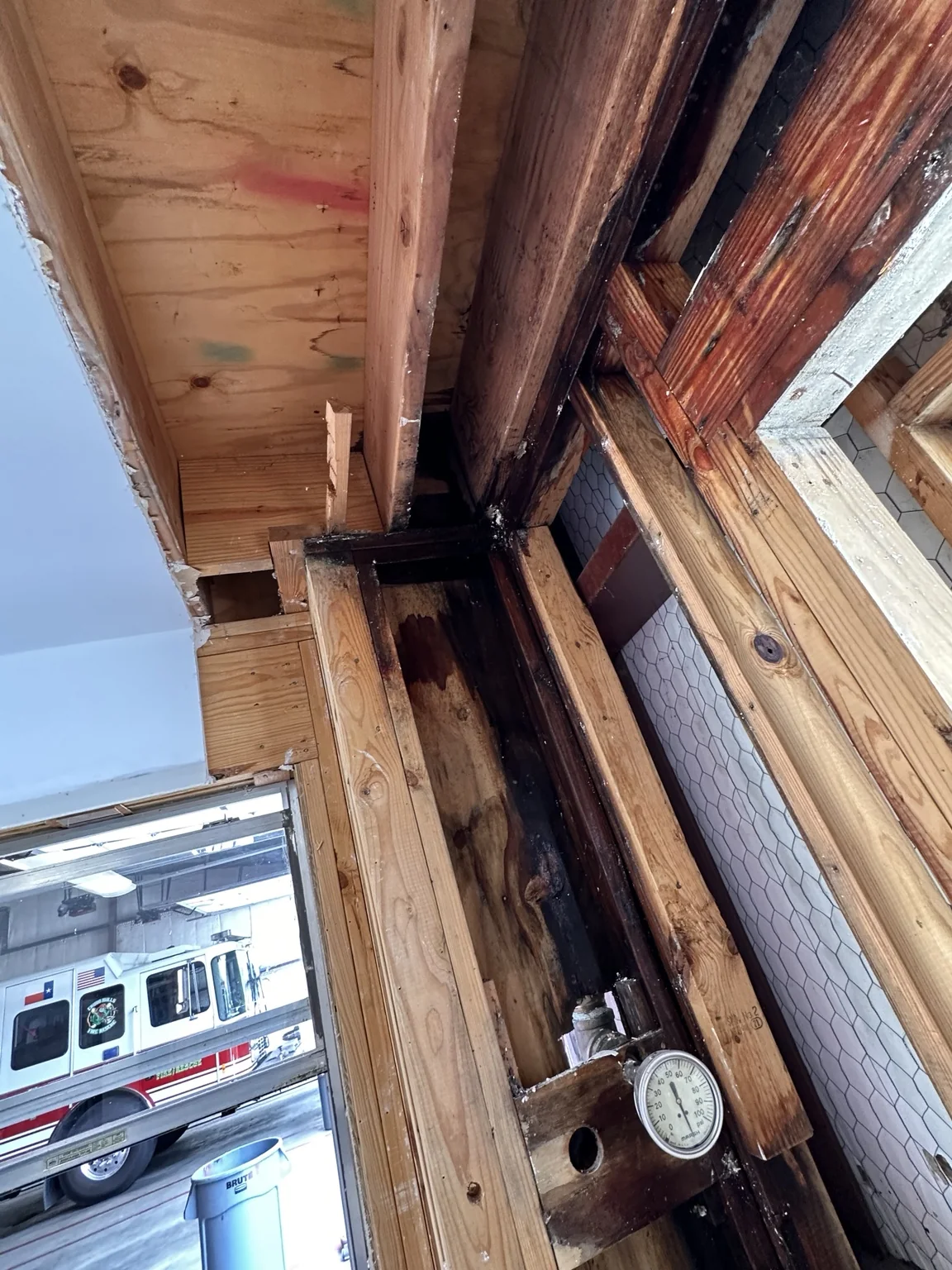
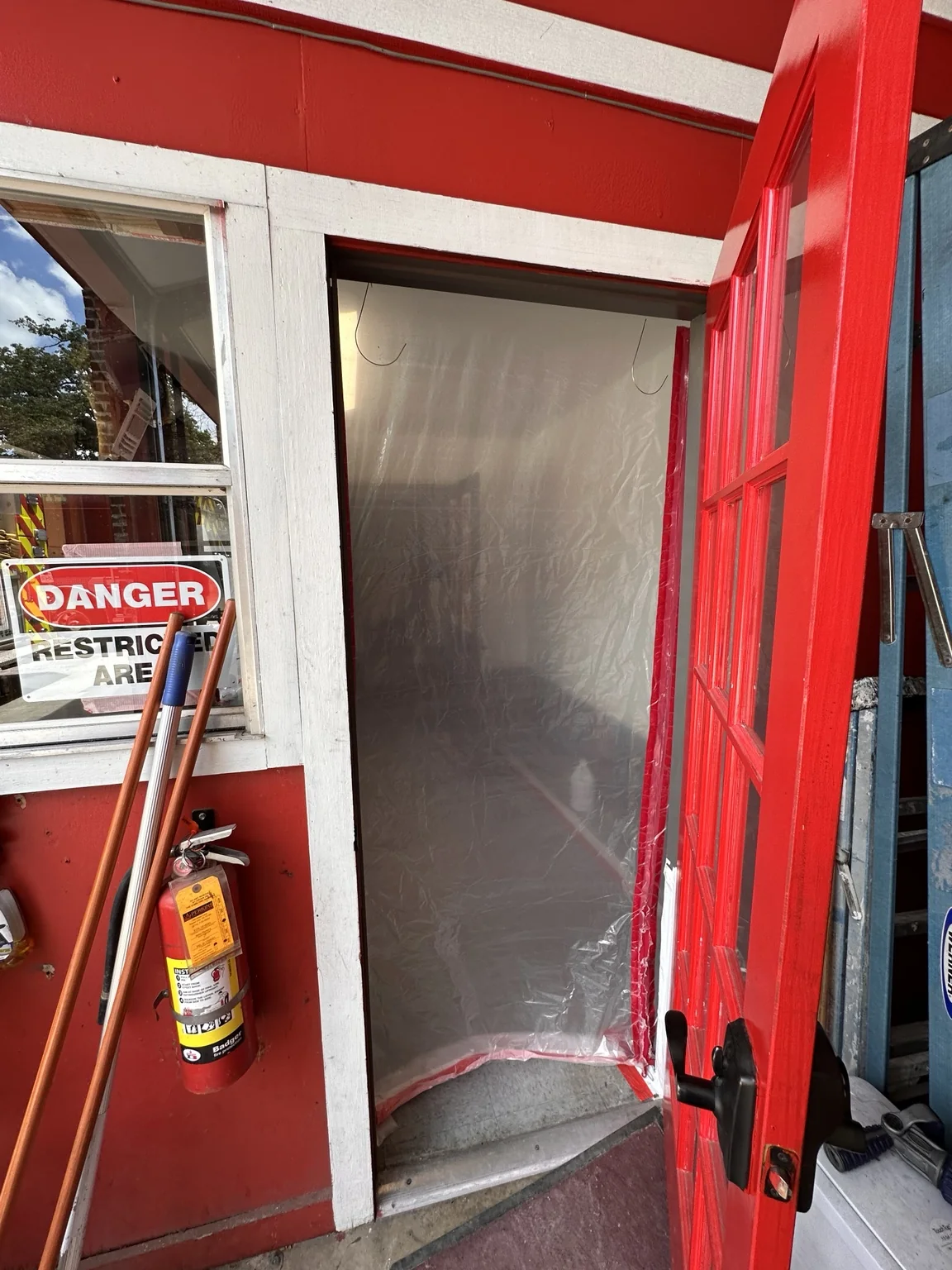
The preserved photographs document mitigation work inside a municipal fire-station environment, with fire apparatus visible in the adjoining bay while work was underway. The available field record shows selective access, direct material measurements, temporary protection, drying equipment and monitored conditions. These photographs do not independently establish the source location, cause, water category, duration of exposure or complete affected scope.
Operational continuity — confirmed project fact
SDM project record: The fire station remained operational throughout the entire mitigation process, and its service area was not impacted by SDM's mitigation work.
This is presented as a confirmed fact about this project—not as a guarantee that every occupied commercial, institutional or municipal loss can be mitigated without operational interruption. Continuity planning depends on the incident, hazards, building systems, affected areas and decisions of the responsible facility operators and authorities.
Context and selective access
Screen, verify, inspect
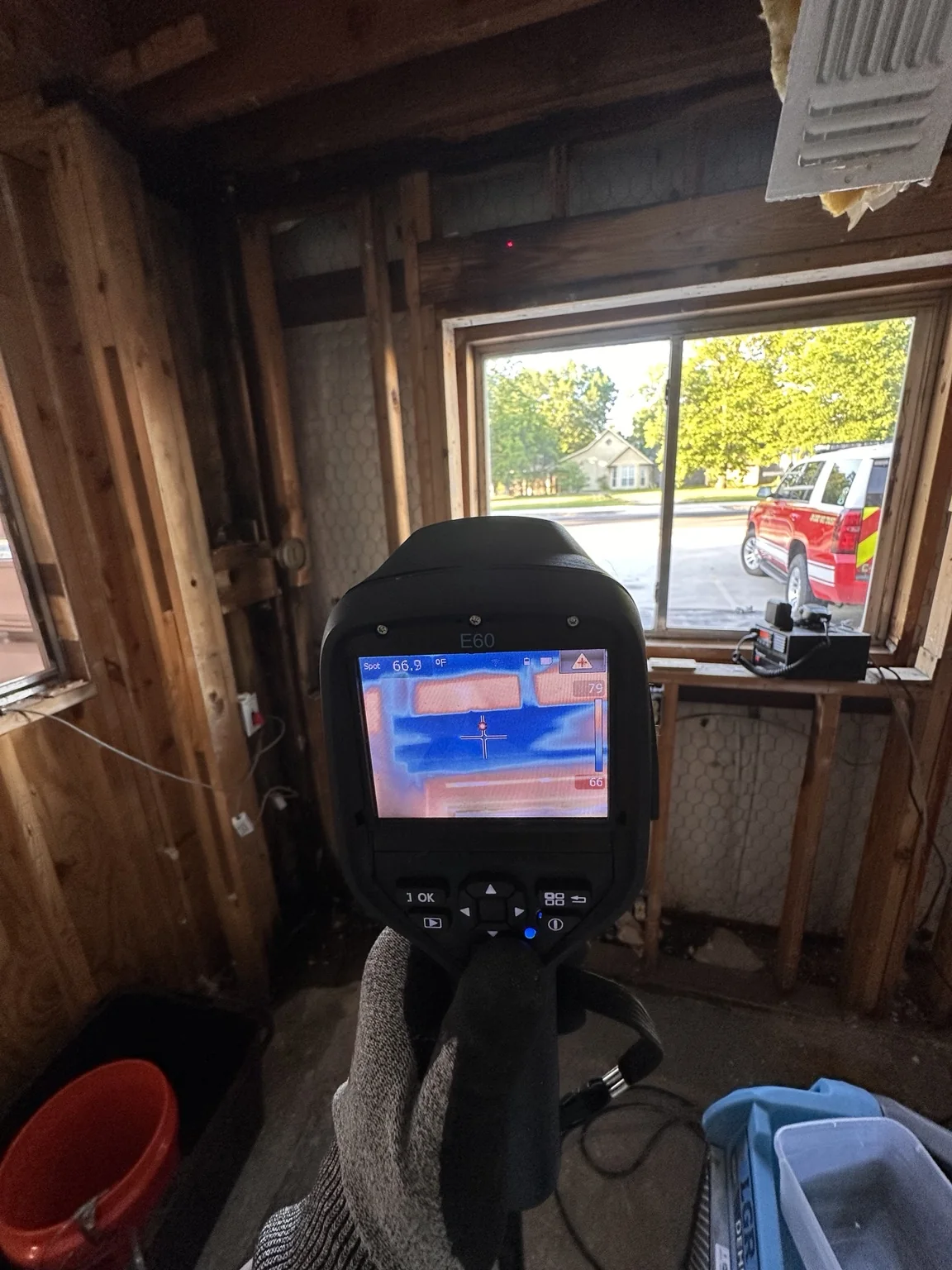
Thermal screening can identify temperature differences that warrant further investigation. The images are not labeled as moisture solely because a cool pattern appears.
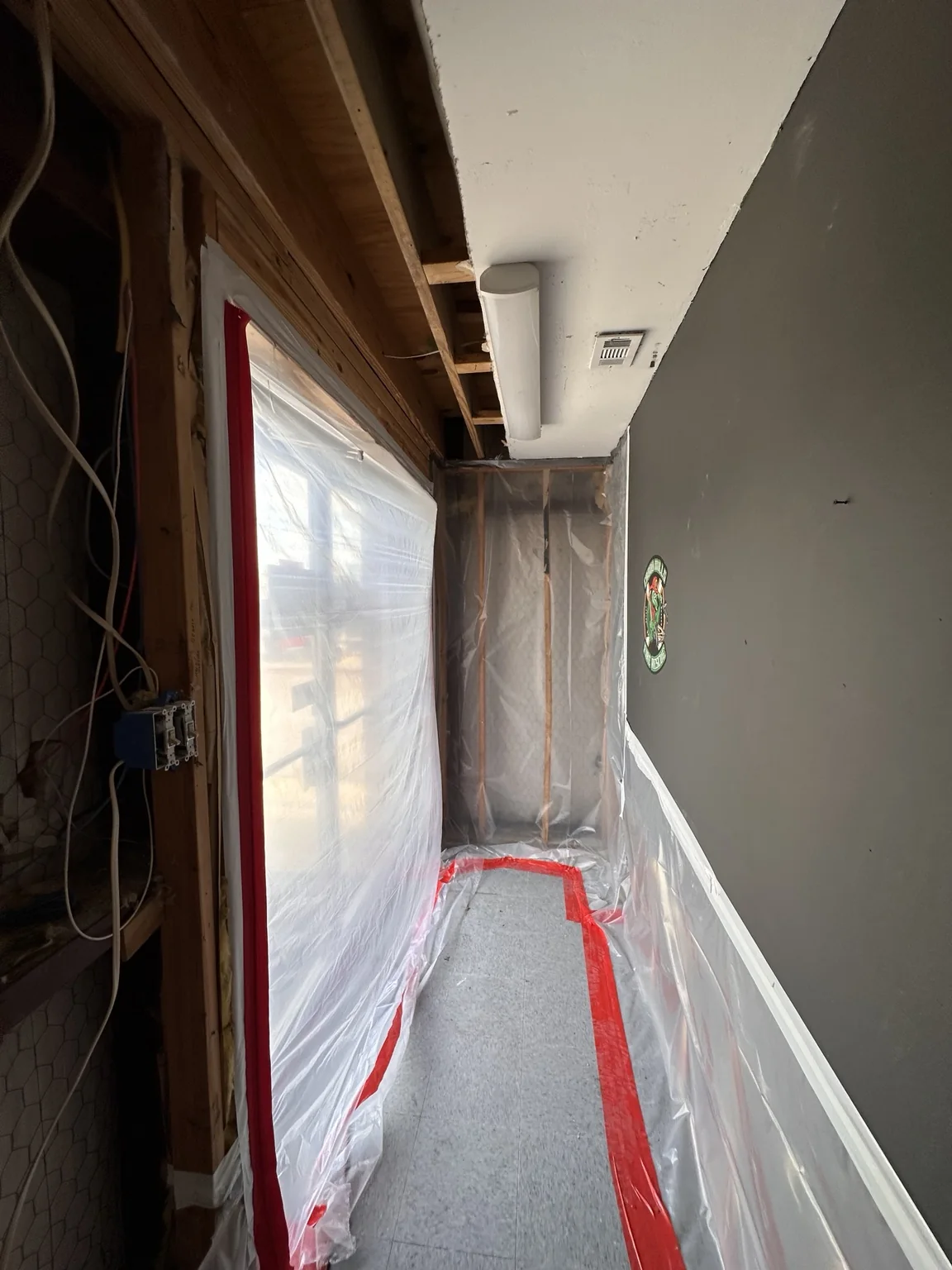
Protect the occupied environment
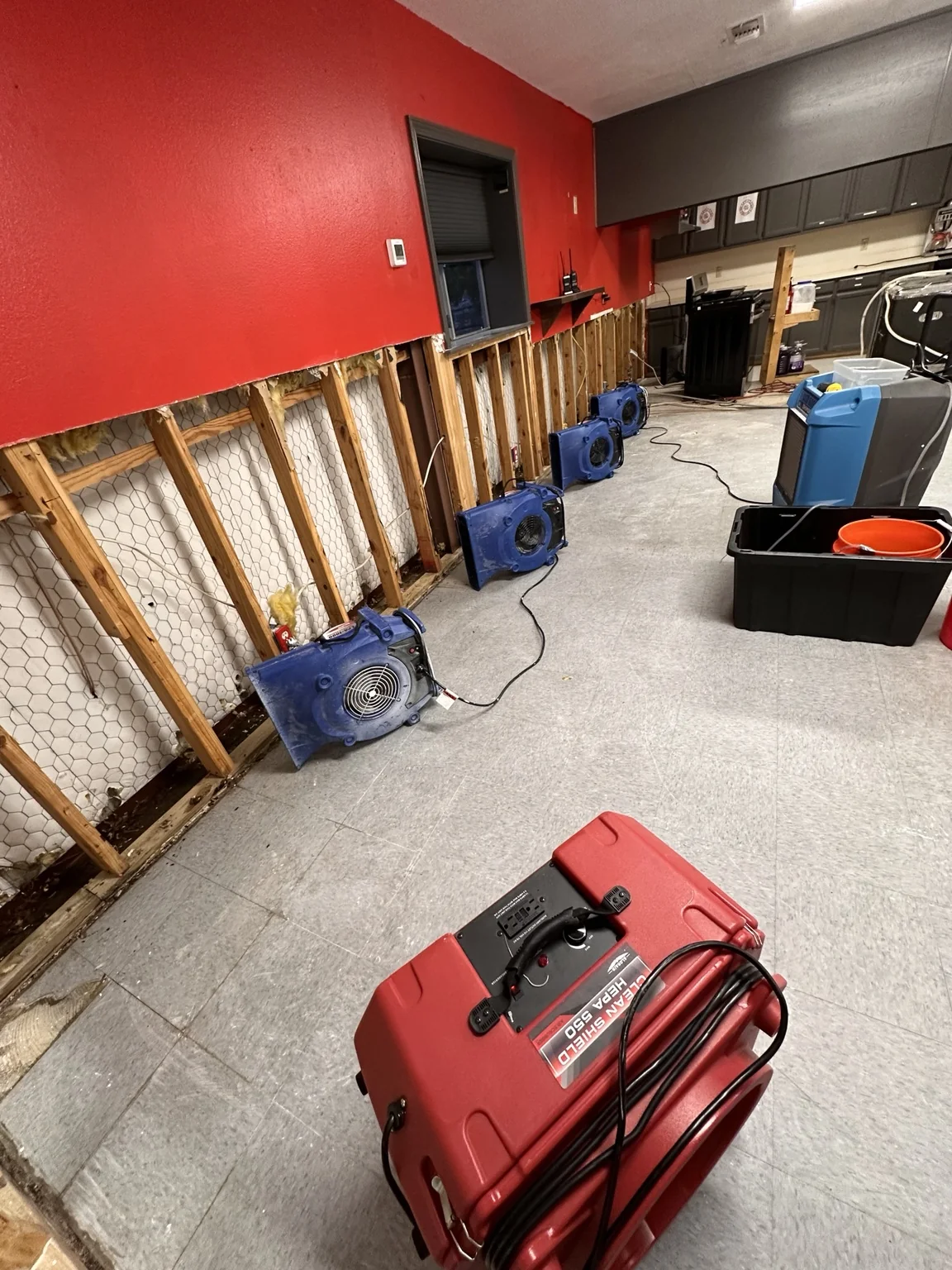
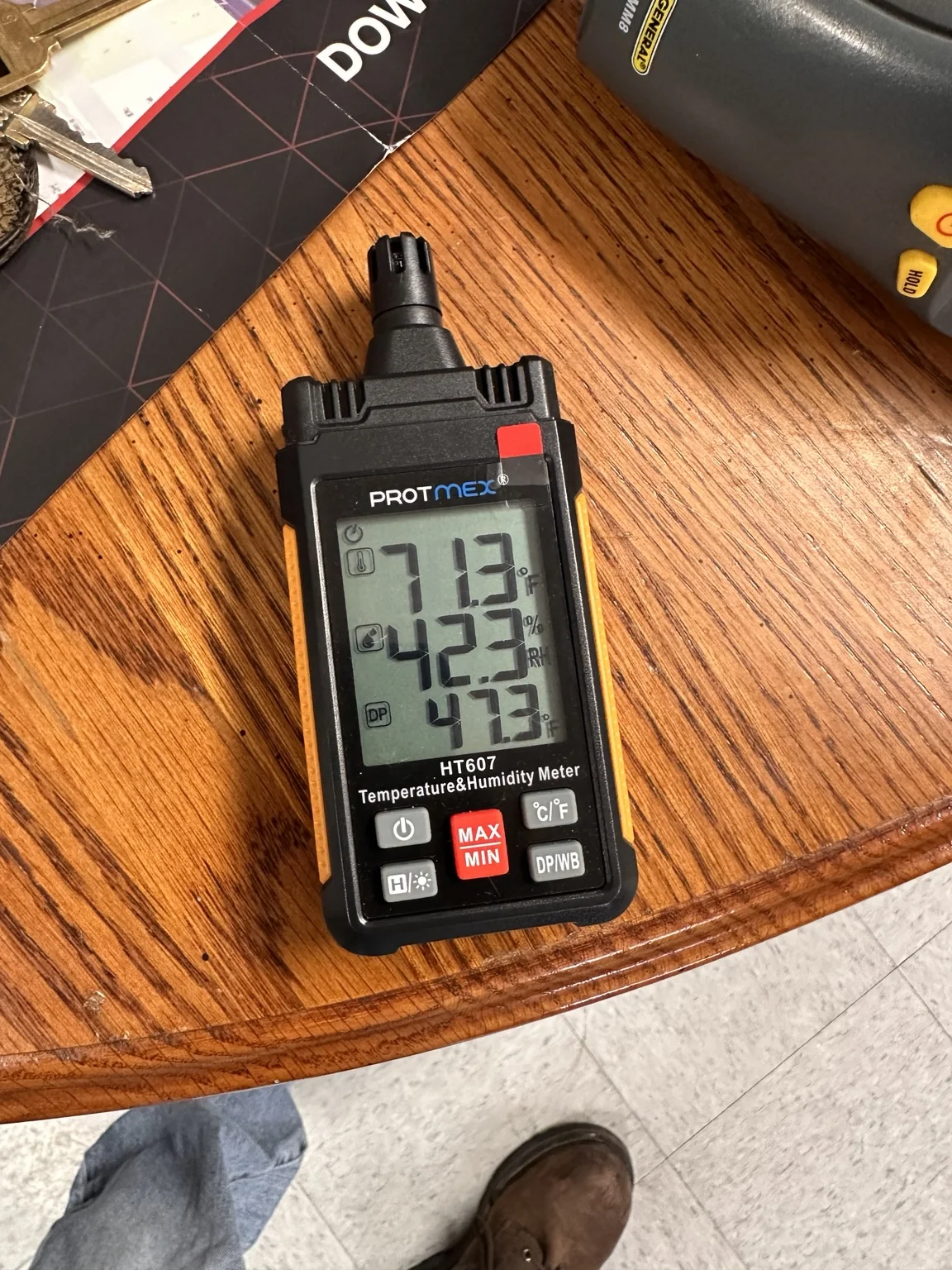
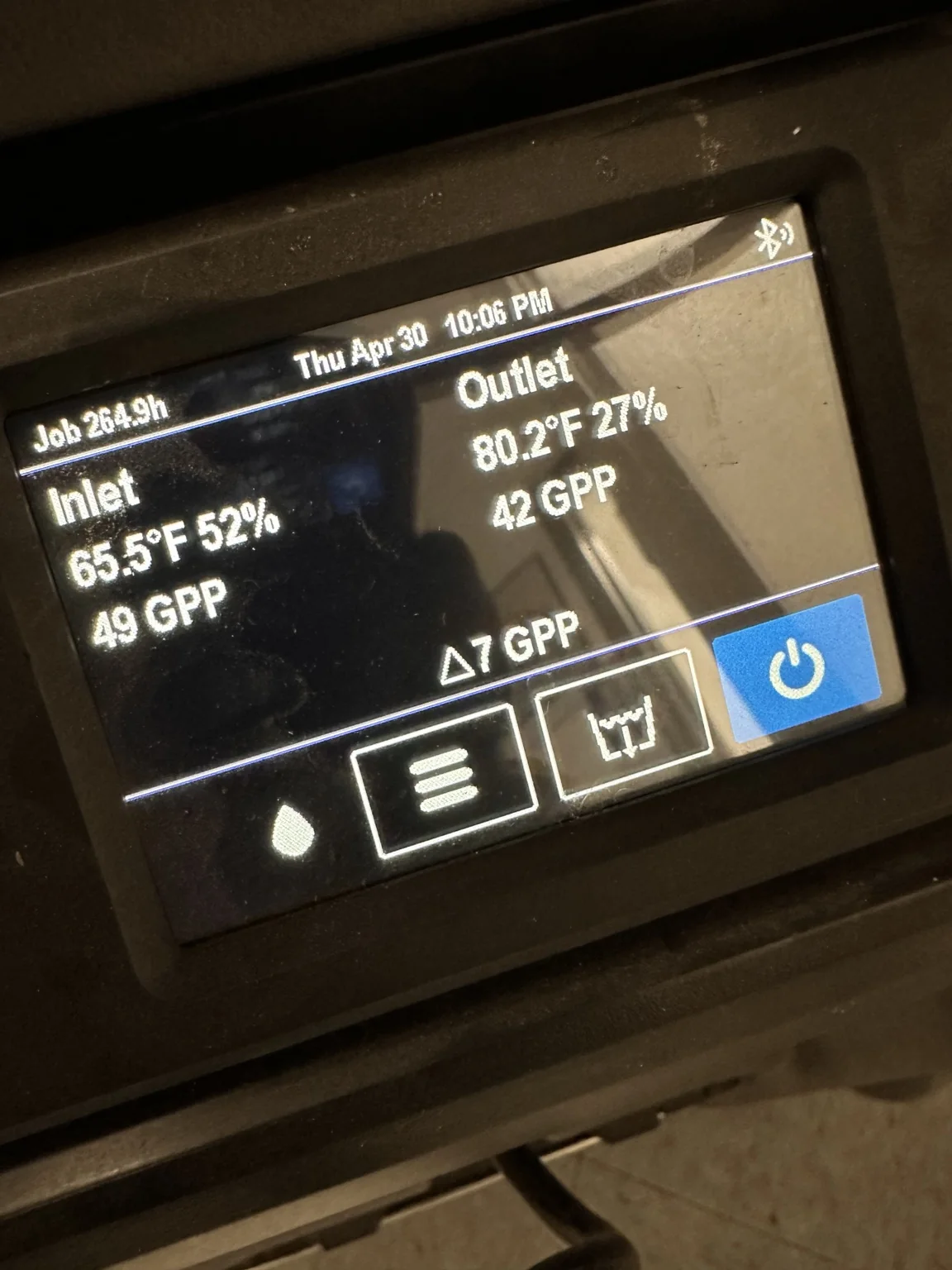
Drying-system setup and monitoring
What this case demonstrates
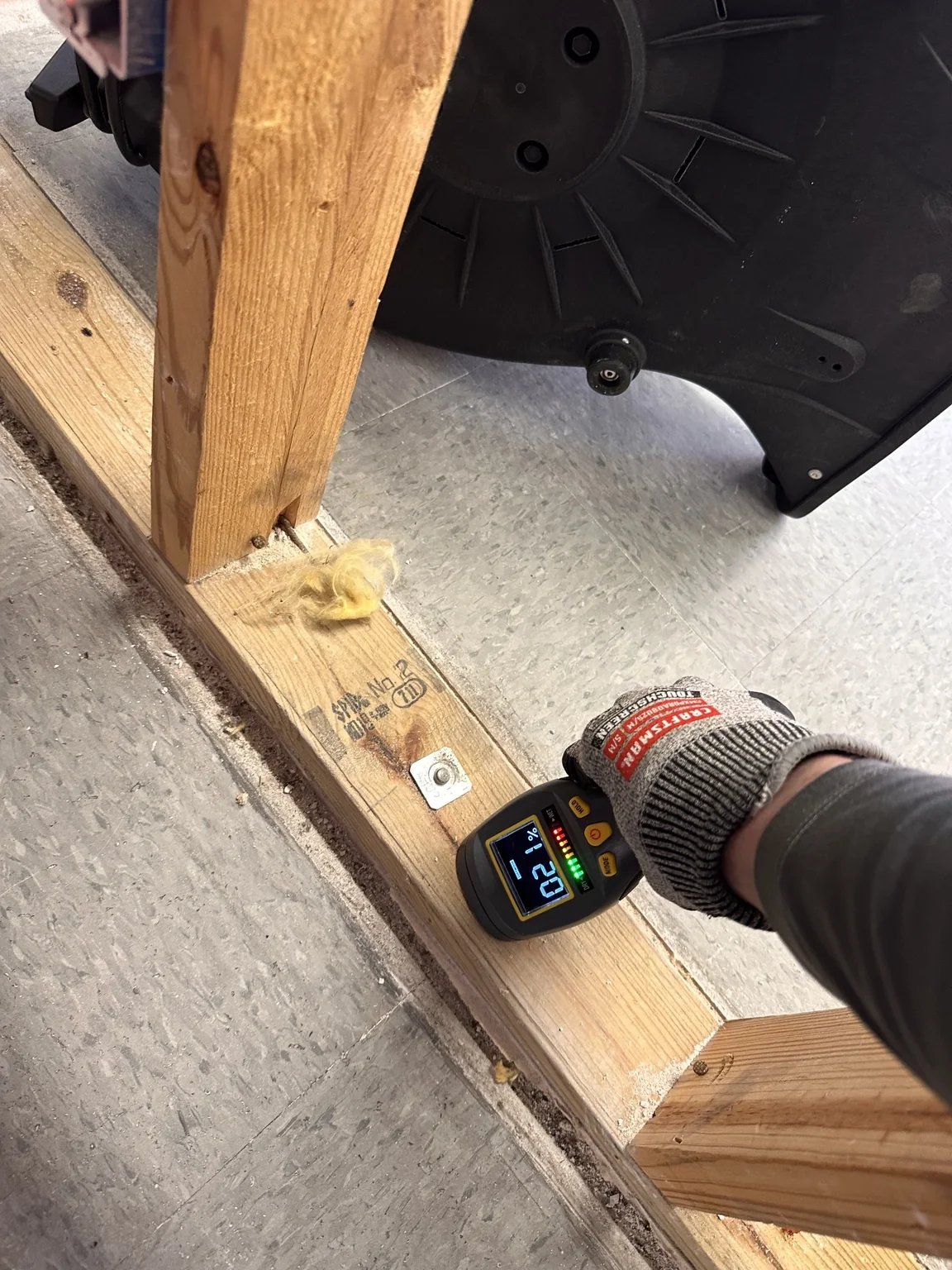
Observed: fire-station context, selective wall openings, exposed wood framing, thermal-camera displays, location-specific meter readings, temporary barriers/protection, air movers, dehumidification equipment, psychrometric and equipment performance displays.
Confirmed project record: the station remained operational throughout mitigation, and its service area was not impacted by SDM's mitigation work.
SDM interpretation: screening leads to verification; selective access creates visibility into concealed assemblies; adjacent areas are protected; drying conditions are monitored rather than assumed.
Not established by the photographs alone: source/cause, water category, full affected footprint, structural adequacy, code compliance, final drying goal, final material disposition or insurance scope.