A practical evidence chain
Visual inspection
Start with the source area, visible staining, swelling, material transitions, lower levels and plausible migration paths.
Thermal screening
Use temperature patterns to locate areas that deserve further investigation. Thermal imaging does not identify water directly.
Moisture measurements
Use an appropriate instrument and material context to compare suspicious and apparently unaffected areas.
Assembly access
If evidence and conditions warrant it, selective access may reveal concealed insulation, framing, cavities or interfaces.
Psychrometrics
Temperature, RH, vapor content and equipment performance help explain whether the drying environment is doing useful work.
Repeat verification
Trends and comparison points are more informative than a single isolated number.
See the method in an actual field case
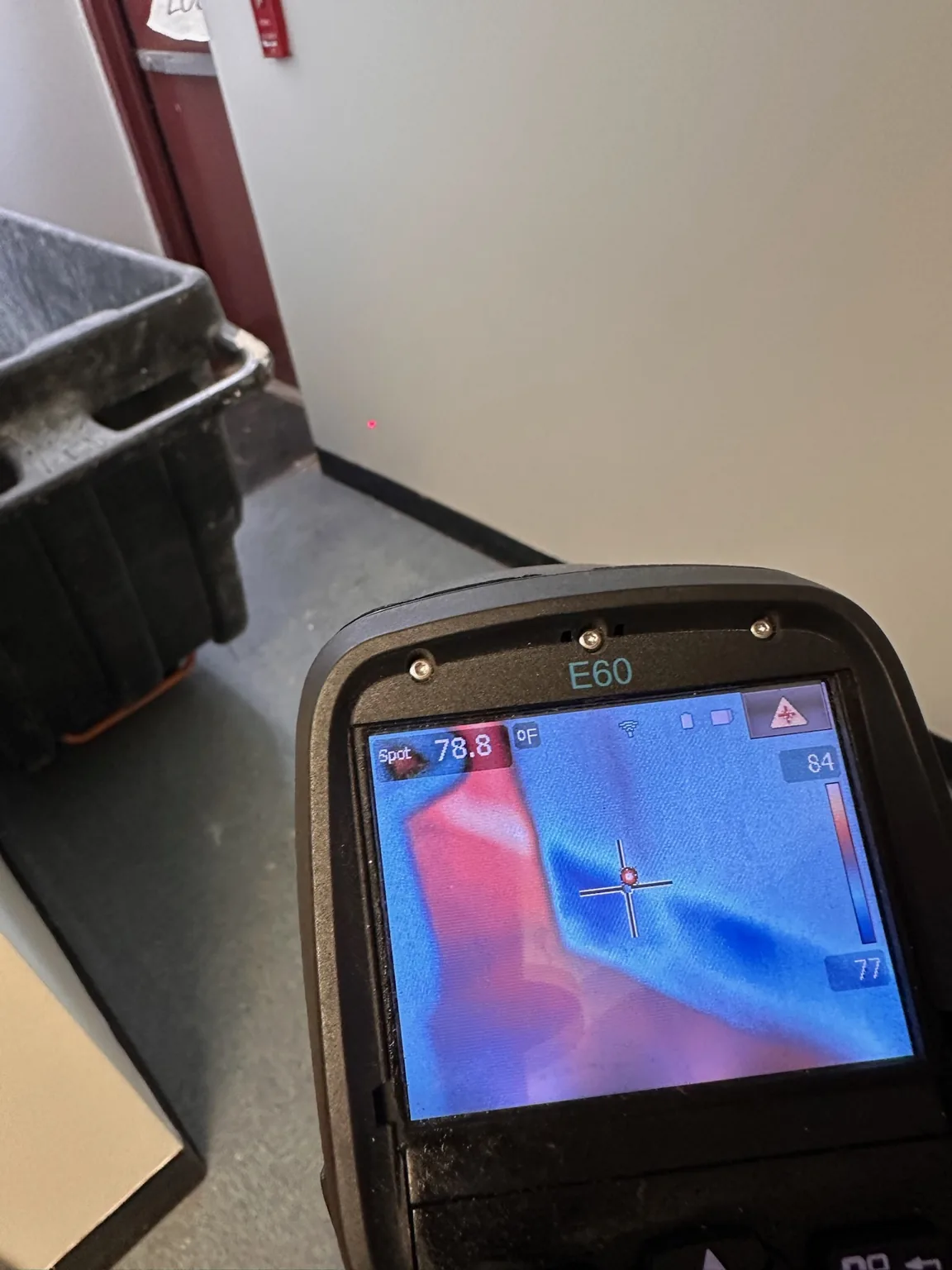
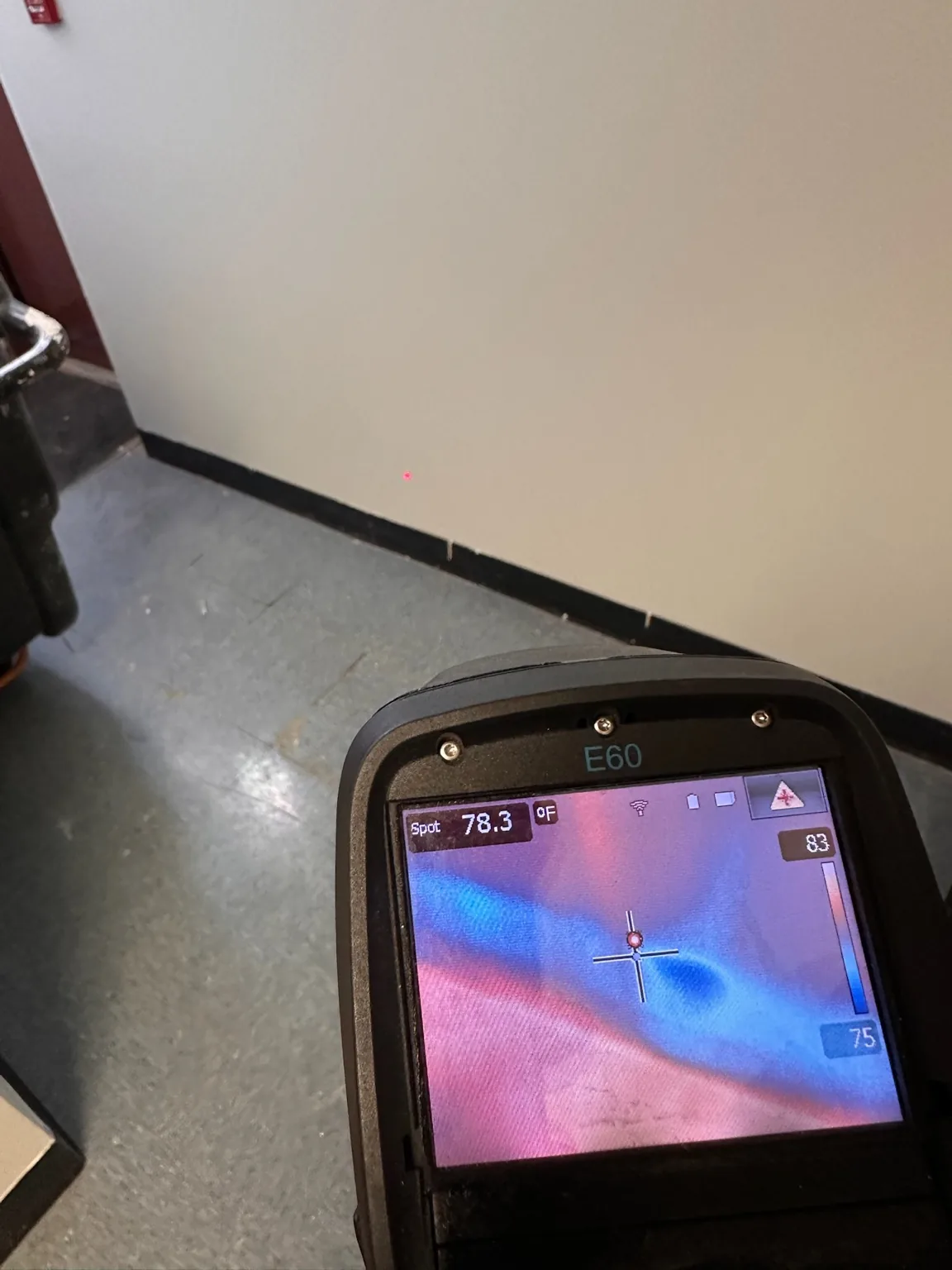
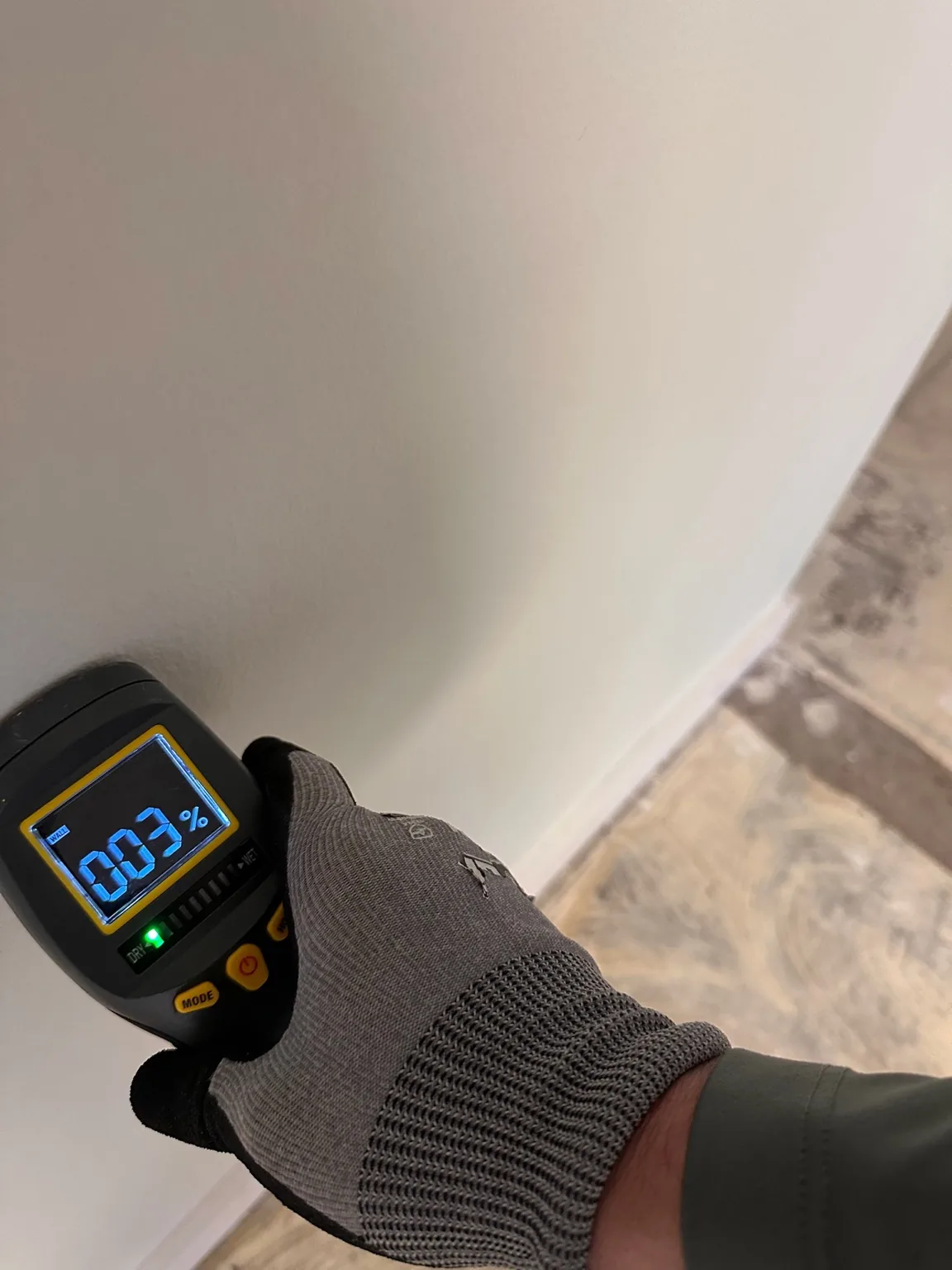
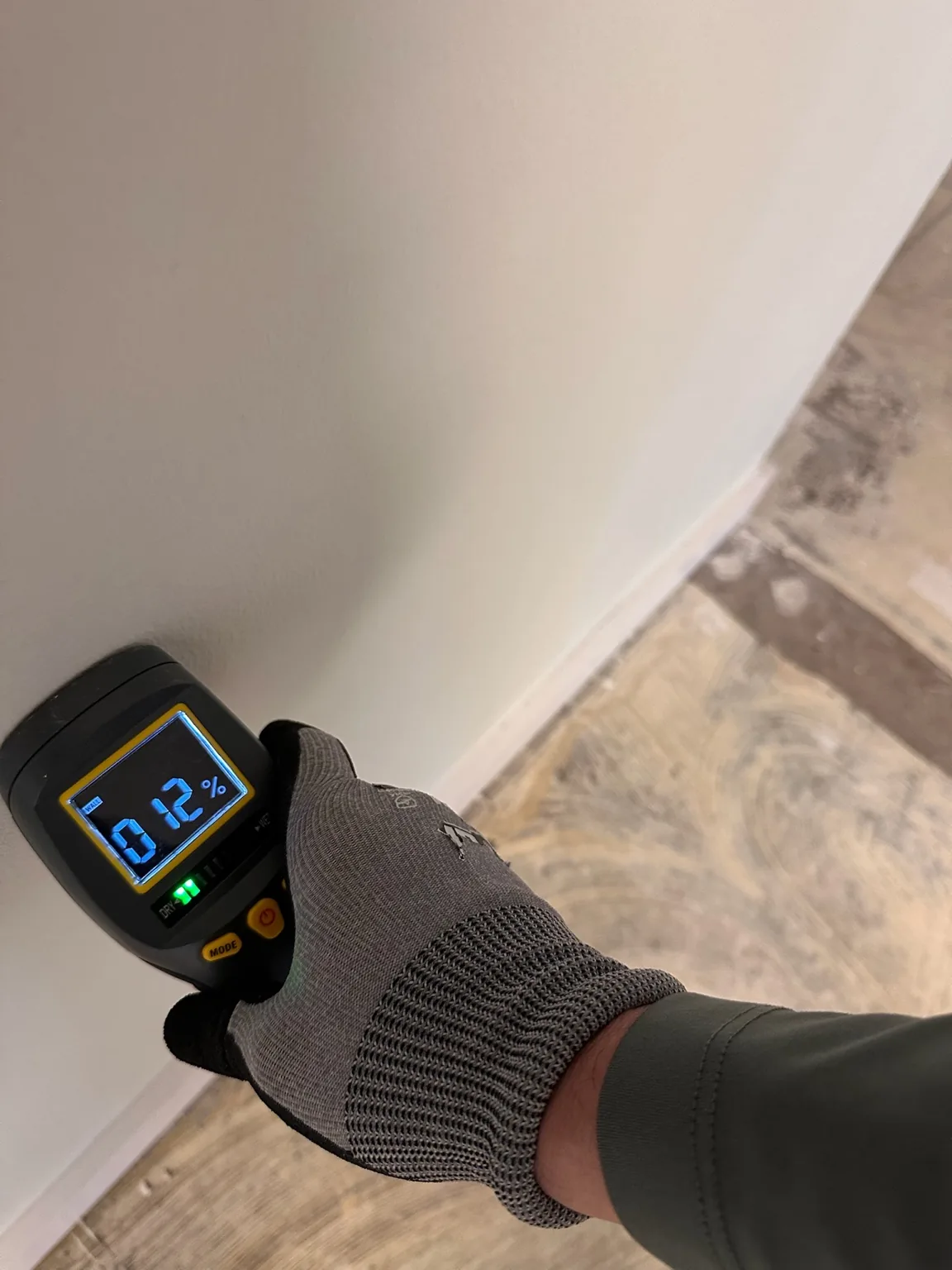
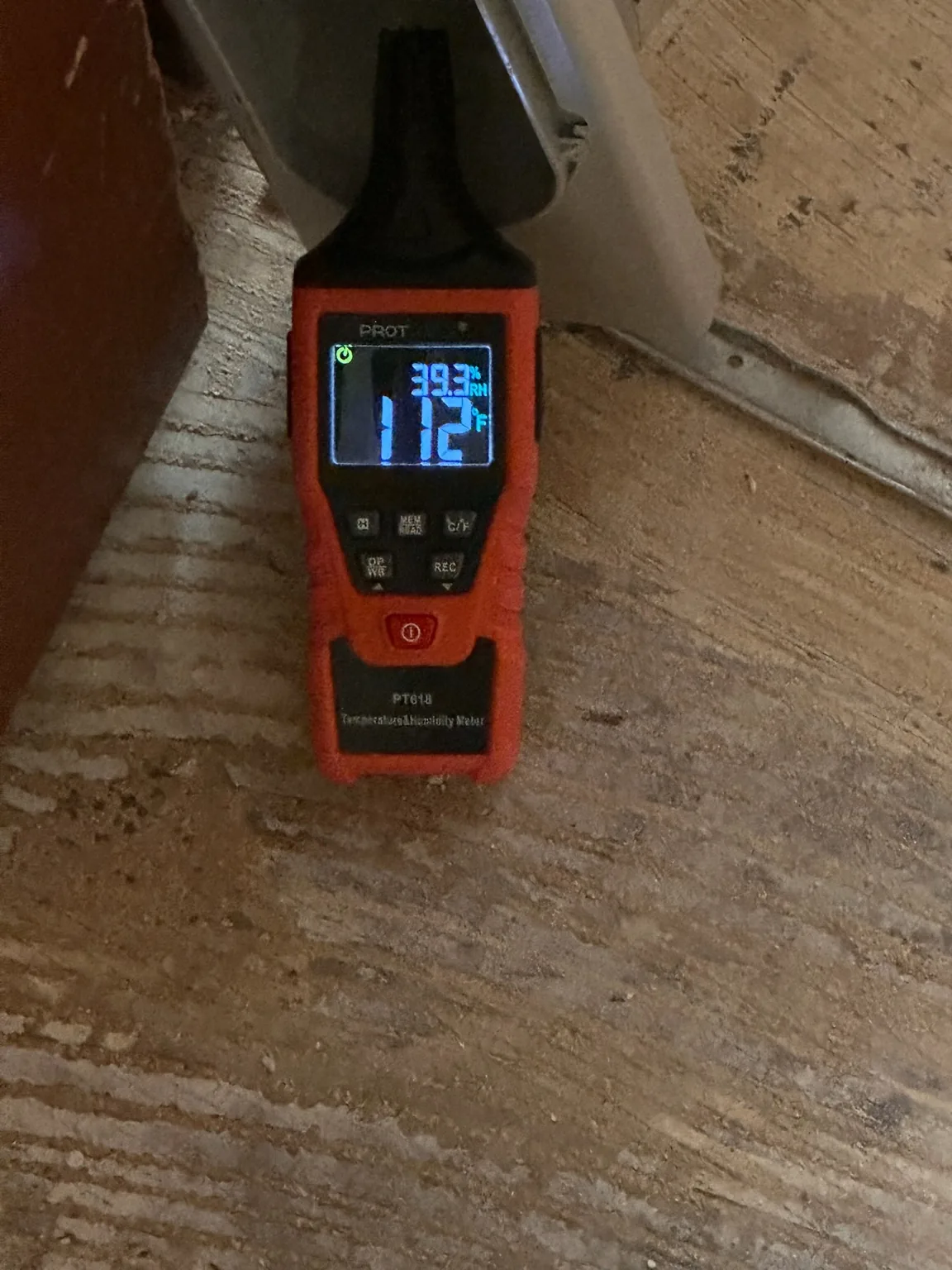
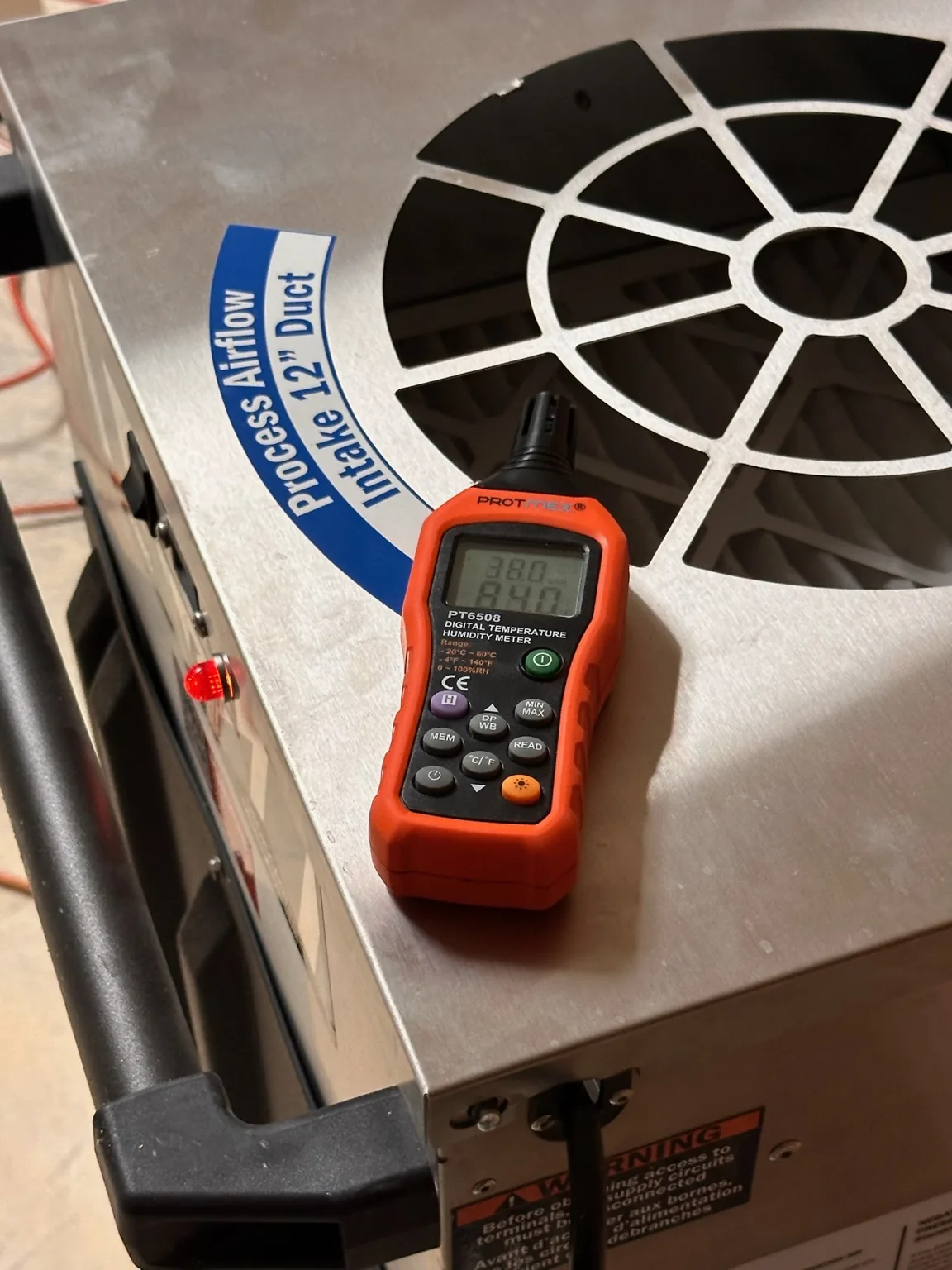
Important: A thermal anomaly may have many causes, and a meter reading only has meaning in the context of the instrument, mode, material, reference condition and location. SDM Intelligence should not convert either into certainty that the evidence does not support.