Dallas–Fort Worth property damage & odor response

Call (469) 649-9649
Same Day MitigationSame DayMitigationWaterFireSmokeOdor

Commercial Odor Remediation

Tenant turnover odor remediation for apartments and rental properties.

Persistent odor can delay a turn, frustrate maintenance teams and follow a unit into the next lease. SDM uses a source-focused process designed for property managers, multifamily operators, landlords and investors.

Property Managers · Apartments · Rentals

Turn the unit by correcting the odor source—not by hiding it.

A vacant unit with persistent cooking, spice, tobacco, smoke, pet or unknown odor can create an operational problem: maintenance may clean repeatedly, painters may coat over the condition, and the odor can return after the HVAC runs or the unit is closed overnight.

SDM treats the unit as a building-material investigation. We map the odor, identify likely reservoirs, separate cleanable surfaces from materials that may need removal or replacement, document what was done and reassess before the next occupant moves in.

The objective is a repeatable turnover decision process—not the same deodorizing package for every unit.

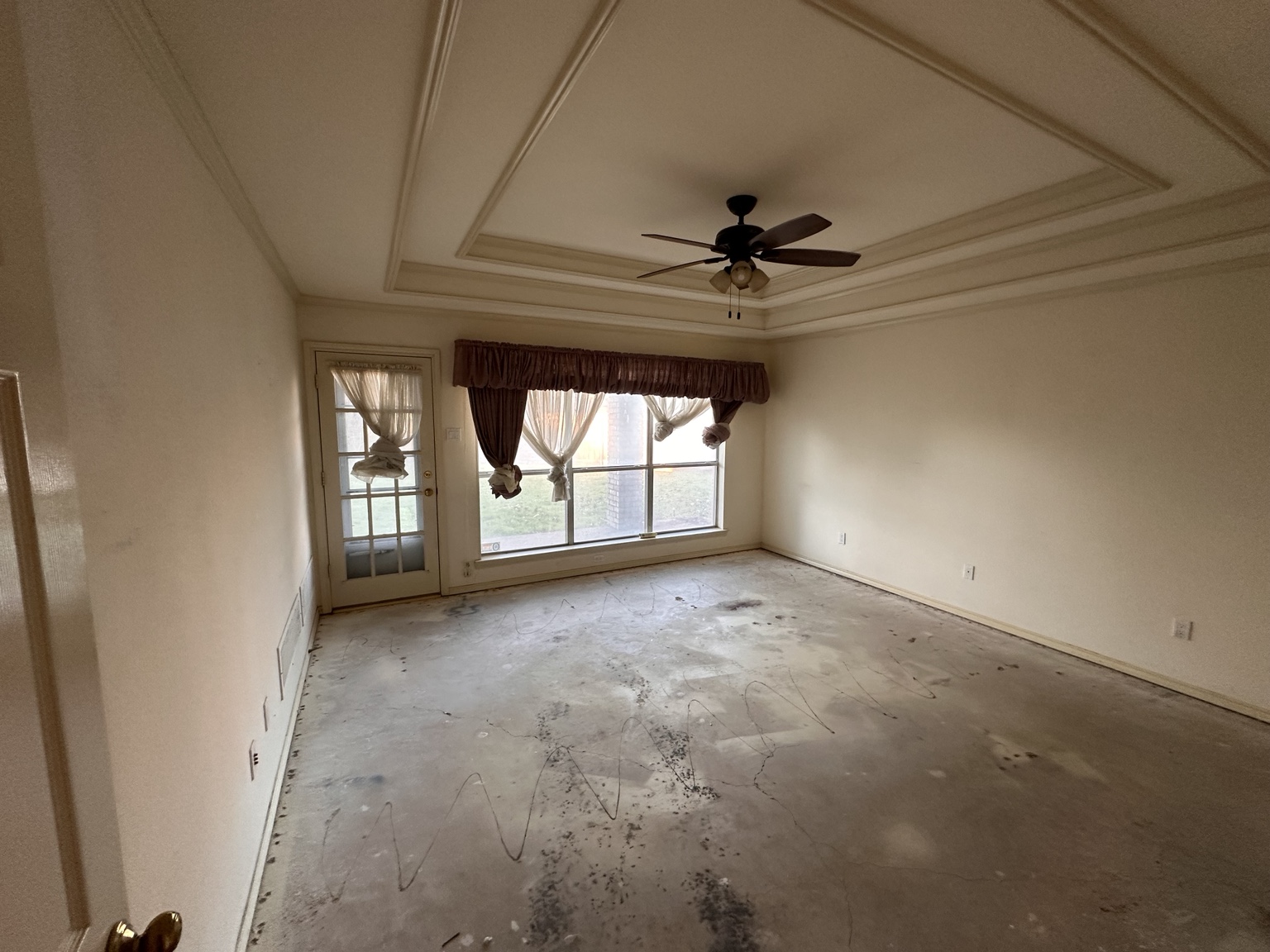
Vacant apartment kitchen and living area ready for tenant turnover evaluation
Vacant-unit odor work is most useful when it happens before final paint, flooring decisions and move-in.

Photo: Louie A / Unsplash. Free to use under the source license.

Common turnover odor conditions

Cooking & spice

Grease films, cabinetry, painted surfaces, textiles, flooring and air pathways may all contribute after long-term occupancy.

Tobacco & smoke

Combustion residue can contaminate surfaces and porous materials. Scope depends on source history, visible residue and material response.

Pet odor

Localized flooring/subfloor sources can require a different approach than whole-unit airborne odor. Inspection should locate the source before broad treatment.

Unknown persistent odor

Drain, moisture, biological, appliance, abandoned-content or material-related odors should not automatically be treated as a generic deodorization job.

A commercial turnover workflow that fits the make-ready sequence

1. Pre-work condition record.
Walk the vacant unit before painters or flooring crews change the condition. Photograph surfaces and note odor intensity by room, closet, cabinet and mechanical area.
2. Triage obvious sources.
Remove abandoned contents, trash, grease-loaded filters and other obvious reservoirs. Confirm whether plumbing, moisture or appliance conditions need another trade before odor remediation proceeds.
3. Source-reduction cleaning.
Clean residue-bearing hard surfaces in a logical sequence, starting with the highest exposure areas. Document which surfaces respond and which remain problematic.
4. Flooring and soft-material decision.
Evaluate carpet, pad, drapes and other porous items before spending repeatedly on cleaning if replacement is already planned or economically more predictable.
5. Mechanical review when indicated.
Replace filters and inspect accessible returns/components if the odor follows HVAC operation. Do not add duct cleaning simply because the unit smells.
6. Dry-down and closed-unit test.
Allow cleaned materials to dry, close the unit and return HVAC to normal conditions. This is often where residual reservoirs become easier to identify.
7. Escalation decision.
Choose coating, selective material removal, specialty treatment or replacement only after the first cleaning pass provides evidence for it.
8. Closeout documentation.
Provide ownership or management with a record of observed conditions, work completed and any remaining recommendations before lease-up.

Why the timing of odor work matters in a tenant turn

Odor evaluation is most informative before a unit is repainted, re-carpeted and fragranced. Those steps can temporarily change what the maintenance team smells and can make it harder to determine whether the underlying source was actually removed.

Before painting

Cleaning residue before coating improves the decision process and avoids relying on paint as the first odor-control step.

Before flooring replacement

If carpet or pad is already scheduled for removal, inspection can determine whether subfloor or adjacent assemblies need attention while exposed.

Before final make-ready cleaning

Specialty source reduction should happen early enough that the normal make-ready team is not re-cleaning the same contaminated surfaces.

Before lease-up

A closed-unit reassessment under normal HVAC operation helps identify odors that were masked while doors were open and crews were working.

Portfolio-level documentation

For multifamily and rental operators, the value is not only whether one unit improves. A repeatable record helps management compare recurring conditions across buildings, floor plans and turnover histories. SDM can document the odor category, suspected source areas, material decisions, cleaning sequence, photos and outcome so the next difficult unit does not start from zero.

This also creates a cleaner handoff between maintenance, painters, flooring contractors, HVAC technicians and ownership when more than one trade is involved.

Need a unit evaluated?

Text photos and a short description of the odor history, affected rooms, flooring type, whether the unit is vacant and any cleaning, painting or flooring work already completed.

Text Property Photos

How SDM approaches persistent odor

Source reduction comes before deodorizing equipment.

Odor complaints often involve both airborne contaminants and residue that has settled onto or been absorbed by surfaces and porous materials. EPA guidance identifies source control as the first strategy for improving indoor air quality, with ventilation and filtration serving as additional tools. SDM applies that hierarchy to odor remediation: find the likely source, reduce or remove it, clean affected materials, then decide whether supplemental treatment is still justified.

That distinction matters because a room can smell better temporarily while the material reservoir remains. A successful scope should be driven by inspection, cleaning response and reassessment—not by assuming every odor needs fogging, duct cleaning, ozone, demolition or a sealing coat.

Call Now(469) 649-9649 · DFWText PhotosSend property photos